A few years ago, I had a rare moment of luck. A client of mine later turned friend who also happened to own a Leica store on West Broadway loaned me his Leica Q2 Monochrome. I still remember unboxing it like it was a sculpture, not just a camera. That experience didn’t just sell me on Leica it introduced me to the feeling of owning a camera that becomes part of your life, not just your gear.
Since then, Leica has changed how I see. Not because it’s the best in specs or speed, but because it makes me slow down, look longer, and shoot less but better. If you’re thinking about investing in one camera that stays with you, feels good in the hand, and makes everyday moments feel worth remembering, this might be the one.
This post isn’t a spec breakdown or a YouTube style review. It’s more of a personal impression of the Leica Q3 from someone who values both function and form. I’ll walk you through the two lens options, my experience with the Q system, and why this camera feels more like a companion than a tool.
Shooting with the Q2 Monochrom taught me that Leica isn’t chasing trends or cramming in features for the sake of it. It’s about slowing down and treating every frame like a deliberate choice. That’s a luxury in itself. The Q2 Monochrom only shoots in black and white, which pushes you to think differently. With no color to rely on, I found myself focusing more on composition and light how it shapes a subject, how it dances in shadow. It forces you back to the basics, and in doing so, it sharpens your eye over time.
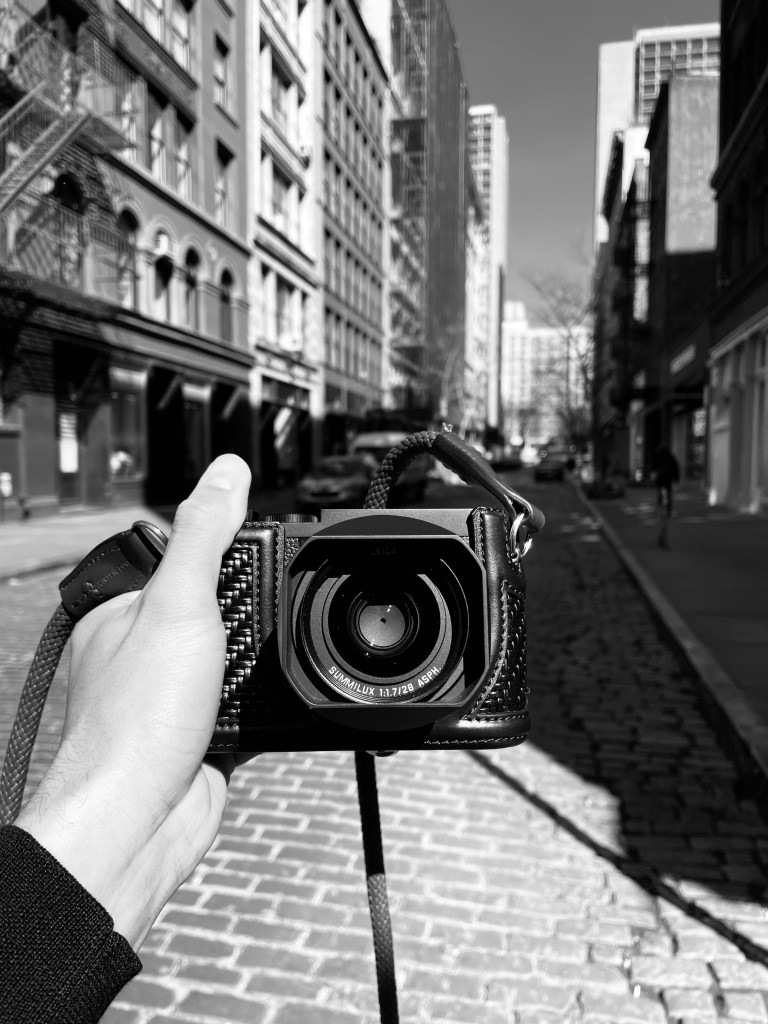

The new Q3 carries that spirit forward. It’s minimal, high-performance, and unapologetically beautiful. More importantly, it’s compact enough to be your everyday carry if you’re the kind of person who sees the world in frames and wants to capture life’s quiet and loud moments alike.
At first glance, the Leica Q3 and the Leica Q3 | 43 may seem identical. But they represent two different ways of seeing one wide, one tighter. While the core design remains the same, the lens changes everything and so does the price.
The classic Leica Q3 features a 28mm Summilux f/1.7 ASPH lens. It’s wide, fast, and incredibly sharp. This focal length is ideal for street photography, travel, and immersive environmental portraits. It has that documentary feel reactive and honest. For some, 28mm might feel slightly too wide, but with a 60MP sensor, cropping in is no issue. It stays true to the original Q spirit and is priced at $6,735.
On the other hand, the Leica Q3 | 43 introduces a 43mm APO-Summicron f/2 lens. It offers a tighter, more standard field of view. This is the lens for lifestyle, editorial work, and intimate portraits. The “APO” designation means it’s designed with apochromatic correction, which minimizes color fringing and enhances clarity. It’s sharper, more refined, and handles distortion beautifully. While it doesn’t offer the same fast aperture or depth of field as the Summilux, its image quality and rendering are exceptional. This version comes in at $7,380.
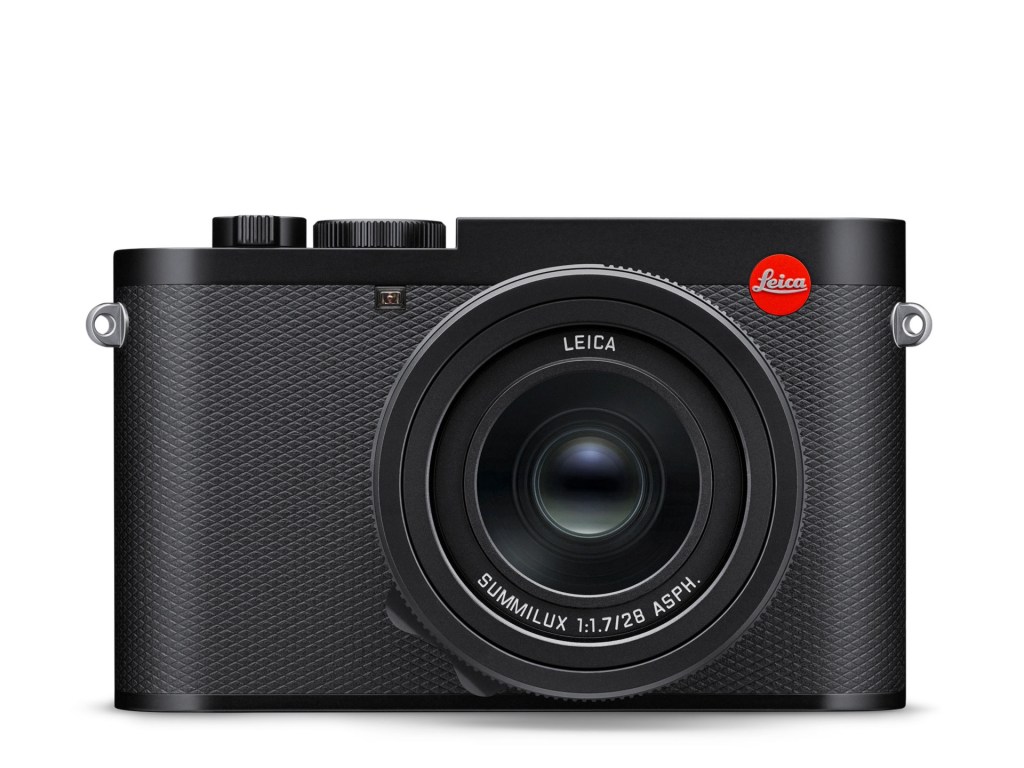
Leica Q3 28 Summilux F/1.7 ASPH Black

Leica Q3 43 APO-Summicron F/2 Grey
Both cameras embody Leica’s core philosophy it’s not about the tech specs; it’s about the feeling. It’s about presence. It’s about having a camera that makes you see the world differently and want to document it.
Leica now gives us two distinct ways to tell our stories: the 28mm Q3, wide and cinematic, and the 43mm Q3 | 43, closer and more deliberate. Neither is better. They’re simply tools for different perspectives.
Here’s the truth: these cameras aren’t made for professionals who need twelve lenses and a rolling case. They’re made for people who appreciate craft, who travel with intention, who want to remember the in-between moments just as much as the big ones. Whether it’s your weekend routine, your coffee table, or morning light hitting the kitchen counter, the Q3 has a way of turning the ordinary into something cinematic.
With its 60MP sensor, you don’t have to obsess over nailing the shot. One frame is often enough. It feels like cheating in the best way. You just see it, and the Q3 captures it.
You don’t need both cameras. You just need the one that matches how you naturally move through the world. If you’re drawn to environments, street life, interiors, and movement the 28mm Q3 will feel honest and cinematic. If you prefer portraits, lifestyle moments, and cleaner compositions the 43mm Q3 | 43 will likely feel like second nature, your family and friends will love the portraits you can take with them.

The Q series isn’t just about owning a great camera. It’s about choosing one camera and carrying it everywhere.
Shot on the Leica Q3 in Maui, this image captures one of those rare scenes that feels almost too perfect to touch. The tones roll in softly, the shadows stretch just enough, and the depth is there without trying too hard. What I love most is how natural it all feels nothing overly sharp or dramatic, just light doing what it does best. The Q3 handled it effortlessly, letting the mood lead and the details quietly follow. It doesn’t just capture what you see but what you feel.

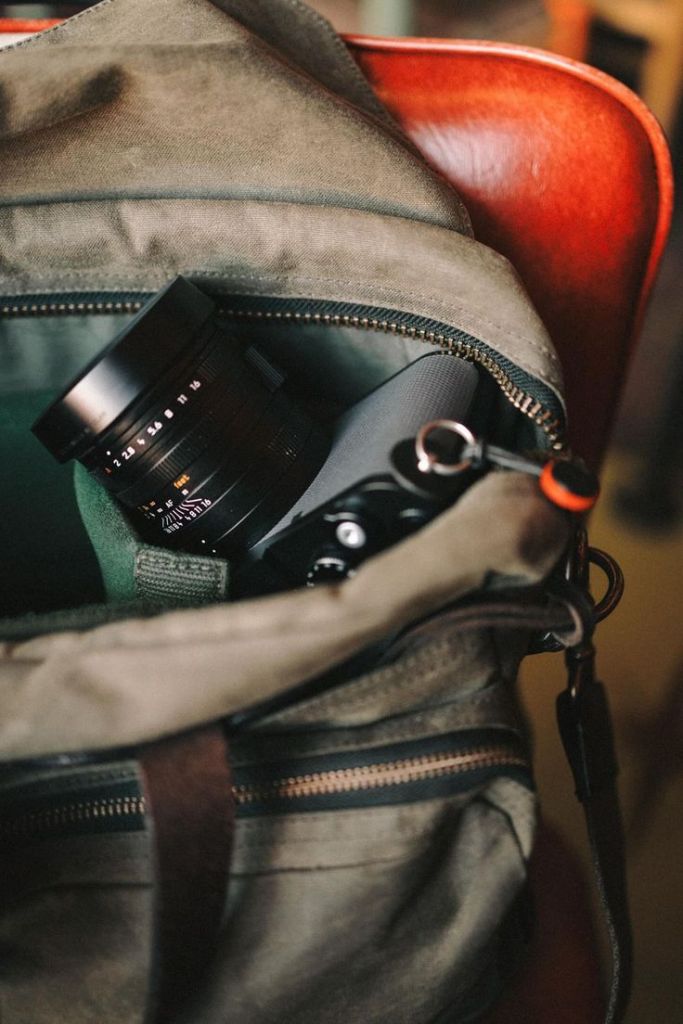
The Leica Q3 isn’t for everyone and honestly, it shouldn’t be. This is a luxury, not a necessity. But if you’re in the market for one camera that can do it all with grace, style, and longevity and you’re okay with investing in something that will probably outlast you this might be the best EDC camera on the market.
This isn’t about megapixels or ISO performance. It’s about rhythm. It’s about intimacy. It’s about trusting your eye and having a tool that feels like an extension of your intention. And if that sounds dramatic, then maybe you haven’t held a Q yet. Because once you do, it stops being just a camera and starts becoming part of you.
Have you ever used a Leica Q or considered picking one up? What focal length do you naturally see the world in wide, standard, or tight? Drop a comment below. I’m always down to talk gear with people who shoot for the love of it.
Photo Credits

 Curatedstill.blog
Leave a comment